

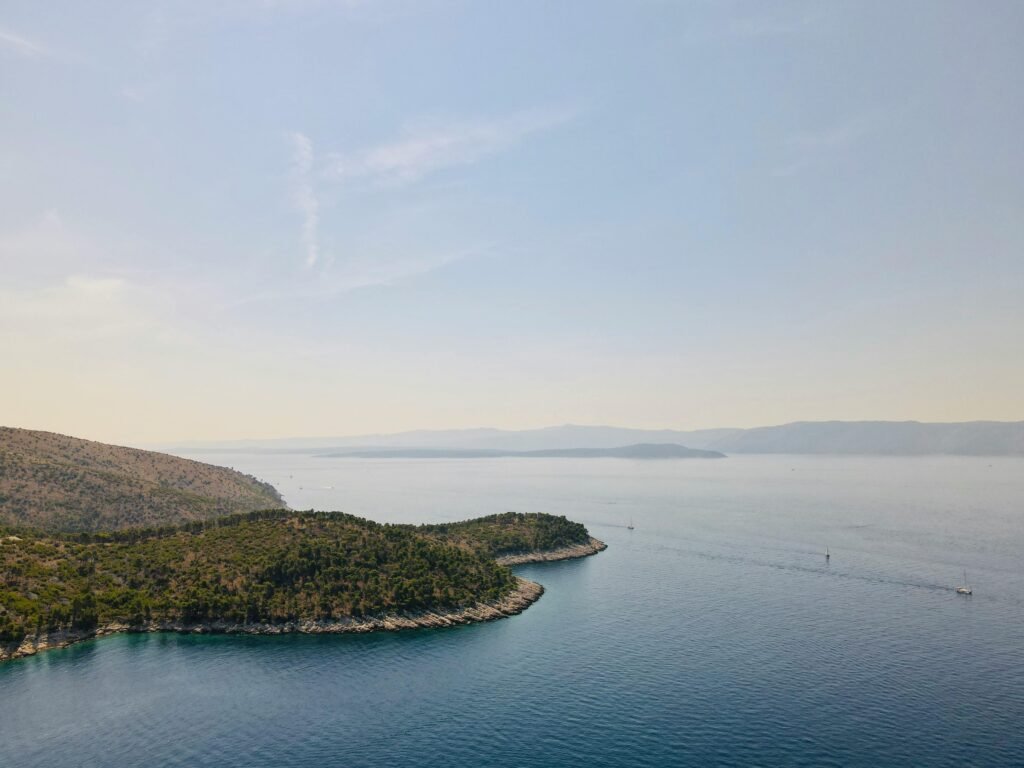
From Mountains to Oceans: How Geography Connects Earth’s Systems
Geography is more than maps and locations. It is the science that explains how Earth’s systems—land, sea, and atmosphere—are deeply interconnected. From towering mountains to vast oceans, every landscape plays a role in shaping environmental processes and life on our planet.
Mountains: The Starting Point of Natural Systems
Mountains influence climate patterns and water cycles. Their elevation affects temperature and rainfall, while their slopes guide river formation. Snowmelt and rainfall from mountainous regions become the primary sources of freshwater for downstream ecosystems.
Rivers: Linking Land to Sea
Rivers act as natural connectors between land and ocean. They transport water, sediments, and nutrients across landscapes. Through erosion and deposition, rivers continuously reshape valleys and floodplains while supporting agriculture, ecosystems, and human settlements.
Coasts: Where Systems Interact
Coastal areas represent the meeting point of land and ocean processes. Waves, tides, and currents interact with sediments from rivers, constantly reshaping shorelines. These dynamic zones are highly productive but also vulnerable to erosion and sea-level rise.
Oceans: Regulating the Global Climate
Oceans play a critical role in regulating Earth’s climate. They store vast amounts of heat, drive ocean currents, and influence weather patterns worldwide. Marine ecosystems also support biodiversity and act as major carbon sinks.
The Atmosphere: Connecting Everything
Above all, the atmosphere links land and sea through wind, clouds, and precipitation. Atmospheric circulation distributes heat and moisture across the planet, ensuring that processes in mountains, rivers, and oceans remain interconnected.
Conclusion
From mountains to oceans, geography reveals that no system works in isolation. Understanding these connections helps us manage natural resources responsibly, mitigate environmental risks, and plan sustainably for the future.