

A Thought Experiment on the Fragility of Modern Civilization
Mining is often discussed through the lens of environmental impact or sustainability. But to understand its true significance, it’s worth asking a bold hypothetical question: What would happen if mining stopped tomorrow?
No new minerals. No new metals. No new extraction. Just the world running solely on existing stockpiles.
The answer reveals how deeply our modern systems are built on the foundation of mined resources.
- The Immediate Shock: Industries Lose Their Lifeline
Mining is not a sector that influences only the far edges of the supply chain—it is the supply chain.
Once mining stops, industries that rely on continuous raw-material input begin to slow, then halt. Stockpiles dry up within days to weeks, depending on the material and the country. Manufacturing plants unable to secure metals, minerals, and processed ores quickly face shutdowns.
This early phase marks the first wave of collapse. - Energy Systems Begin to Fail
Modern energy infrastructure is inseparable from mining.
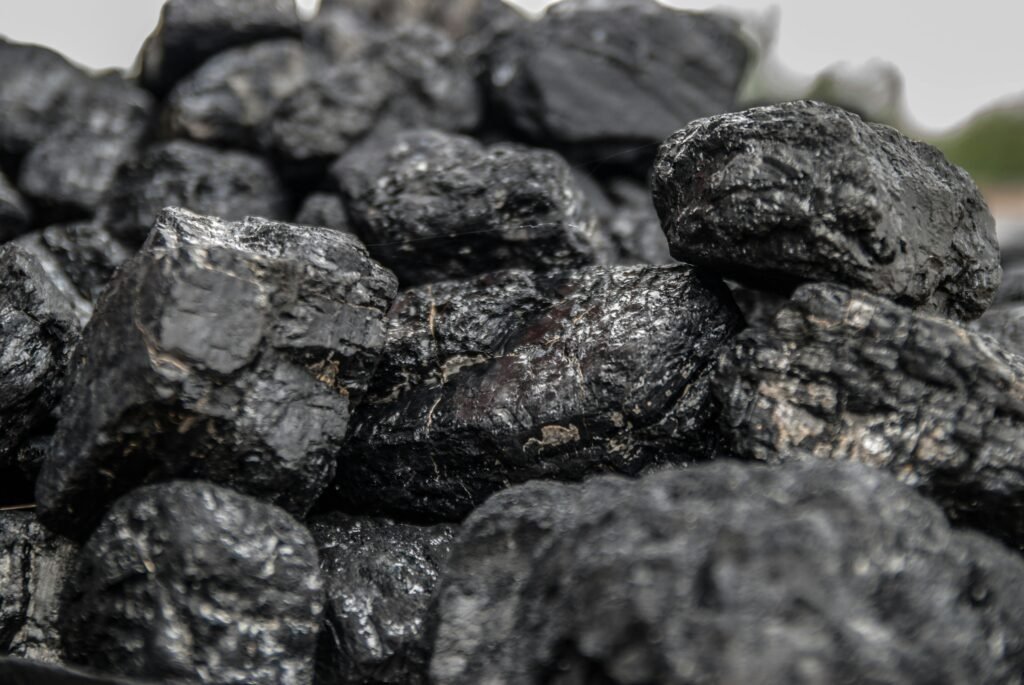
Coal remains a major fuel for power plants in many countries. Without new supply, energy production plummets.
Copper, essential for transmission lines and transformers, becomes scarce.
Renewable energy expansion—solar panels, wind turbines, battery storage—ceases because all require mined metals.
Electricity grids become unstable as older infrastructure cannot be repaired or replaced. Power shortages spread rapidly. - Technology Production Grinds to a Halt
The tech sector is among the most mineral-dependent industries in the world. Smartphones, laptops, servers, satellites, and data centers rely on metals like nickel, cobalt, tin, gold, copper, and lithium. Without mining, manufacturing stops almost immediately.
Even the digital economy—which appears “weightless”—rests on physical hardware built from mined materials. Once spare components run out, the flow of innovation freezes. - Transportation Systems Break Down
Cars, buses, trains, ships, and airplanes depend heavily on steel, aluminum, copper, and a wide range of alloy metals. Without mining:
No new vehicles can be produced.
Aviation and shipping face safety risks as spare parts vanish.
Maintenance becomes impossible, slowly grounding global mobility.
Global trade shrinks as logistics infrastructure deteriorates. - Everyday Essentials Begin to Disappear
Mining reaches into parts of life we rarely associate with heavy industry.
Home appliances, power cables, water pipes, medical equipment, packaged-food machinery—all contain metal components or electronics that depend on mining.
As these items break and cannot be replaced, households feel the second wave of collapse: the loss of everyday comforts and necessities. - The Larger Lesson: Mining Enables Modern Civilization
This thought experiment makes one conclusion clear: modern life functions because mining provides its building blocks. Stopping it does not halt progress—it collapses energy systems, technology industries, transportation networks, and basic daily functions.
The challenge is not eliminating mining. It is managing it responsibly through:
stronger environmental standards,
safer operating practices,
better reclamation efforts, and
long-term resource planning.
Mining must evolve—but civilization cannot exist without it.