

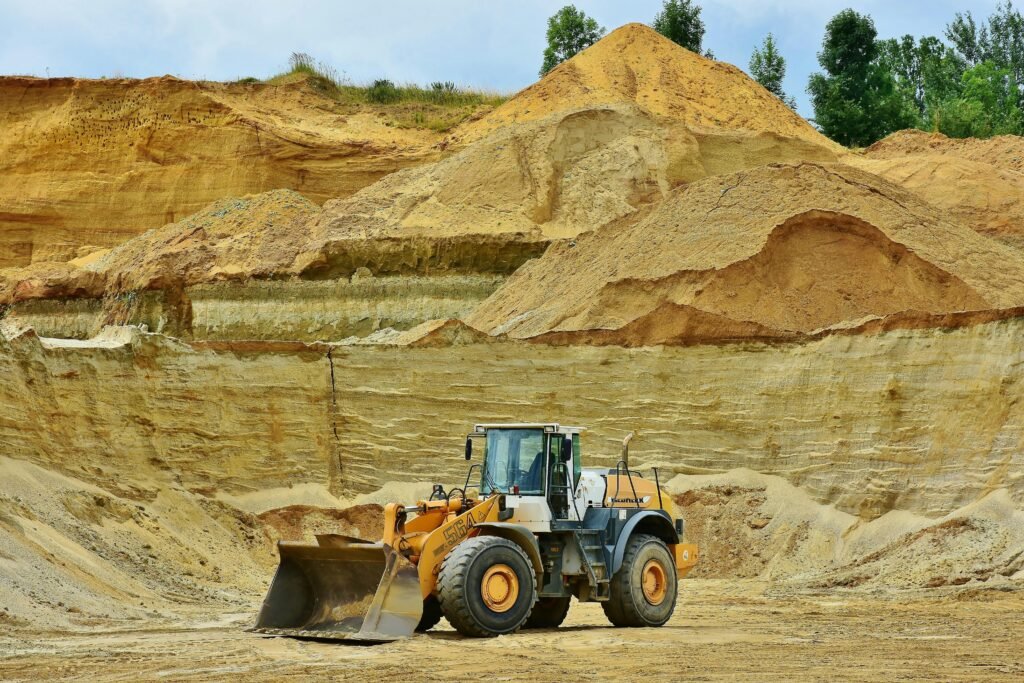
Mining plays a fundamental role in supporting modern life. From the electricity that powers our homes to the technologies we rely on every day, many essential products originate from mineral resources extracted from the earth. This article highlights four major mining commodities—coal, nickel, gold, and various other minerals—and explains where they are used across industries.
- Coal: A Longstanding Energy Backbone
Coal remains one of the most widely used sources of energy globally.
Its primary applications include:
Power Generation: Coal is a major fuel source for thermal power plants, supplying electricity for industrial and household needs.
Industrial Processes: It plays a crucial role in energy-intensive industries such as cement and steel manufacturing.
Despite increasing interest in renewable energy, coal continues to support significant portions of global energy demand, particularly in developing economies.
- Nickel: A Critical Metal for the Energy Transition
Nickel has become a strategic mineral in recent years due to its essential role in new energy technologies. Its key uses include:
Electric Vehicle Batteries: High-grade nickel is a core component in battery cathodes, enabling higher energy density and longer driving ranges.
Stainless Steel Production: Nickel enhances corrosion resistance, making it indispensable in construction materials, kitchenware, and industrial applications.
As the world shifts toward cleaner energy systems, demand for nickel is expected to grow substantially.
- Gold: More Than Just Jewelry
Gold is widely recognized as a luxury metal, but its applications extend well beyond jewelry and investment.
Electronics: Gold is highly conductive and resistant to corrosion, making it ideal for connectors, microchips, and precision components.
Medical and Technological Uses: Its chemical stability allows gold to be used in specialized medical devices and advanced technologies.
Gold’s unique properties ensure its continued relevance in both economic and technological sectors.
- Other Essential Minerals: Copper, Bauxite, and Tin
Beyond the major commodities mentioned above, several other minerals are crucial to modern infrastructure and manufacturing.
Copper
Central to electrical wiring, motors, and electronics due to its high conductivity.
Bauxite
Primary source of aluminum, used in transportation, packaging, building materials, and aerospace manufacturing.
Tin
Widely used in soldering for electronic components.
Supports food preservation through canned packaging materials.
Together, these minerals form the backbone of global technology, transportation, and consumer goods industries.
Conclusion: Mining’s Invaluable Role in Modern Life
Mining commodities underpin the development of energy infrastructure, technological innovation, and everyday conveniences. Understanding how these materials are used helps us appreciate the economic value of the mining sector and its importance in shaping global progress.
As industries evolve—especially with the rise of renewable energy and digital technologies—the demand for strategic minerals will continue to grow, reinforcing mining’s relevance in the future economy.