

Landforms are the physical features that define the Earth’s surface. They are formed through long-term geological processes—such as tectonic movement, erosion, weathering, and sedimentation—making them essential indicators of how our planet evolves over time. This article provides a concise overview of several key landforms and the forces behind their formation.
Mountains: Rising From the Earth’s Crust
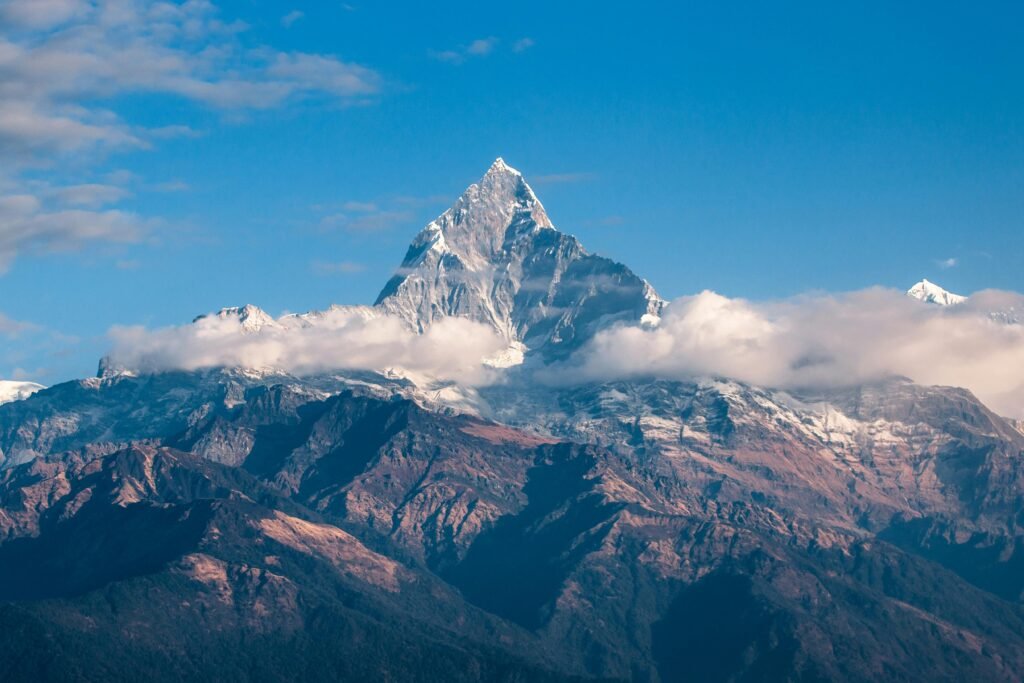
Mountains are created primarily through tectonic activity. When Earth’s plates collide, they push layers of crust upward, forming towering peaks. Volcanic activity can also produce mountainous structures. These formations influence climate patterns, serve as water sources, and host unique ecosystems.
Valleys: Pathways Carved by Nature
Valleys typically form through erosion caused by rivers or glacial movement. Over thousands of years, flowing water cuts into the Earth’s surface, creating elongated depressions. Glacial valleys, in contrast, take shape as massive ice sheets move and sculpt the terrain beneath them.
Deltas: Where Rivers Meet the Sea
Deltas develop at river mouths when sediment carried from upstream is deposited as the river’s flow slows. These sediments accumulate to form fertile, fan-shaped landmasses. Deltas often host rich biodiversity and support intensive agriculture due to their nutrient-dense soils.
Plateaus: Elevated Landscapes Shaped Over Time
Plateaus are broad, flat elevated areas that result from tectonic uplift or the erosion of surrounding land. Their flat terrain and height make them key locations for human settlement, agriculture, and mineral resources. They also help scientists study long-term erosion patterns.
Canyons: Deep Records of Geological History
Canyons form through prolonged erosion, typically by rivers cutting through rock layers. Their steep walls expose geological strata, offering valuable insights into Earth’s past. Canyons also illustrate the immense power of water in shaping solid rock over millions of years.
Conclusion
Landforms serve as natural archives, documenting the dynamic processes that shape our planet. From mountains to plateaus, each formation reflects a unique combination of geological forces. Understanding landforms not only enhances our appreciation of Earth’s structure but also supports fields such as environmental management, hazard mitigation, and sustainable development.