

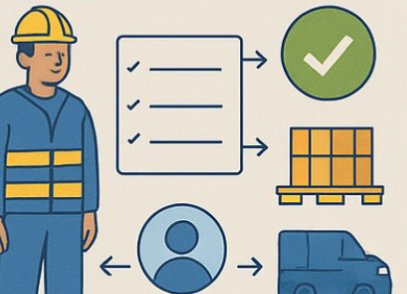
In the world of logistics and industrial supply, safety isn’t just a policy — it’s a culture.
Every piece of material handled, every shipment sent, and every worker on-site plays a role in ensuring operations run smoothly and safely.
At General Supplier, safety is at the heart of our workflow — from warehouse organization to delivery execution.
Here are five core principles that define a safe and reliable supply environment.
- Always Wear Proper PPE
Personal Protective Equipment (PPE) is the first line of defense in any warehouse or project site.
Helmets, gloves, safety shoes, and reflective vests may seem simple, but they significantly reduce the risk of injury.
Every employee and visitor should understand that PPE is not optional — it’s a standard.
Pro Tip: Create a daily PPE checklist at every entry point to maintain discipline and consistency.
- Keep Work Areas Clean and Organized
A well-organized warehouse is a safe warehouse.
Cluttered paths, misplaced tools, and unmarked zones can easily lead to accidents.
Establish clear pathways for forklifts and pedestrian movement, and ensure that spills or debris are cleaned up immediately.
At General Supplier, we implement 5S principles — Sort, Set in order, Shine, Standardize, and Sustain — to keep every area efficient and hazard-free.
- Store Materials by Category
Different materials require different handling.
Flammable products, chemical substances, and heavy metals must be stored separately with proper signage and ventilation.
Label every rack or drum clearly, and always adhere to maximum load capacities to prevent collapses or leaks.
Proper storage not only prevents accidents but also simplifies inventory management and minimizes cross-contamination risks.
- Follow Standard Operating Procedures (SOP) for Shipping
Before any shipment leaves the warehouse, it must pass a thorough inspection process.
Packaging should be secure, pallets tied down, and documentation verified.
A reliable SOP includes a triple-check system — Packaging → Vehicle → Paperwork — before dispatch.
A small delay in preparation is always better than a costly logistics incident on the road.
- Safety Is Everyone’s Job
Safety is not the sole responsibility of the QC or logistics team — it’s a company-wide effort.
From procurement to warehouse to delivery, every department contributes to ensuring smooth operations.
Open communication and a culture of accountability help prevent incidents before they happen.
Remember: when safety comes first, trust naturally follows.
Conclusion: Building Trust Through Safe Operations
Consistency in safety practices builds long-term reliability.
By enforcing strict PPE rules, organized storage systems, and robust SOPs, General Supplier ensures not only the well-being of our team but also the satisfaction and confidence of our clients.
At the end of the day, safety isn’t just about protection — it’s about professionalism.