

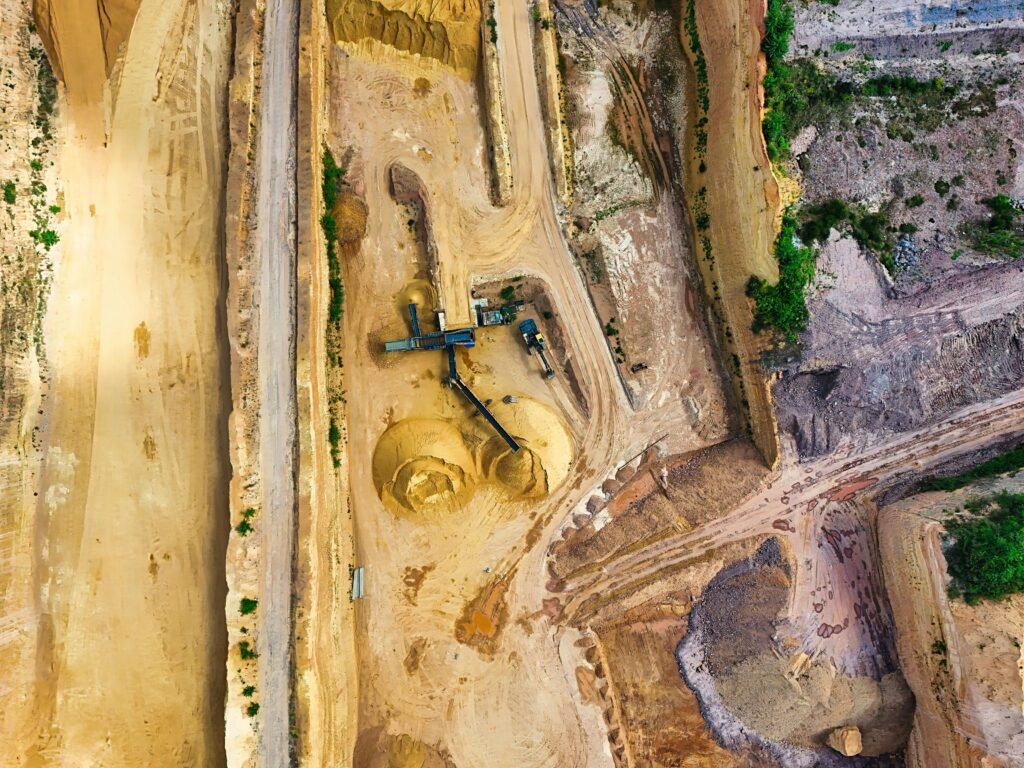
In modern mining operations, drilling machines play a critical role as the starting point of resource extraction. Before any material can be excavated, transported, or processed, the rock mass must first be penetrated and prepared. This is where drilling becomes essential—laying the groundwork for all subsequent mining activities.
Understanding the Function of Drilling
Drilling machines are designed to create precise holes in rock formations. These holes serve multiple purposes, including geological exploration, sampling, and preparation for blasting. By reaching targeted depths and specific locations, drilling enables engineers to assess subsurface conditions and plan efficient extraction strategies.
The effectiveness of drilling directly influences the overall productivity of a mining operation. Accurate and well-positioned drill holes ensure that downstream processes, such as blasting and material handling, can be carried out smoothly.
Types of Drilling Machines
Mining operations typically utilize different types of drilling machines depending on geological conditions and project requirements. Two of the most common types are rotary drills and percussion drills.
Rotary drills operate through continuous rotation, using a drill bit to cut and grind through rock. They are particularly effective for creating deep and large-diameter holes, making them suitable for large-scale surface mining operations.
Percussion drills, on the other hand, function through repeated impact or hammering. This method is highly effective in breaking hard and compact rock formations. The combination of force and frequency allows these drills to penetrate challenging geological structures.
Each type of drill offers distinct advantages, and the choice between them depends on factors such as rock hardness, depth requirements, and operational efficiency.
The Role of Drilling in Blasting
One of the most important applications of drilling is in the blasting process. After holes are drilled into the rock, they are filled with explosives in carefully calculated patterns. This process allows controlled fragmentation of the rock mass.
Precision in drilling is crucial at this stage. Poorly placed or inaccurately drilled holes can lead to inefficient blasting, increased operational costs, and potential safety risks. Conversely, well-executed drilling ensures optimal fragmentation, making it easier to load, transport, and process the material.
Why Drilling Matters in Mining Operations
Drilling is more than just a preparatory step—it is a determinant of efficiency, safety, and cost-effectiveness in mining. High-quality drilling reduces energy consumption during blasting, minimizes waste, and enhances overall productivity.
Moreover, advancements in drilling technology, including automation and real-time monitoring systems, have further improved accuracy and safety in modern mining environments.
Conclusion
Drilling machines are the foundation of mining operations, enabling access to resources that lie beneath the Earth’s surface. From creating initial entry points to supporting controlled blasting, their role is indispensable.
As mining continues to evolve, the importance of precise and efficient drilling will remain central to achieving sustainable and productive extraction processes.