

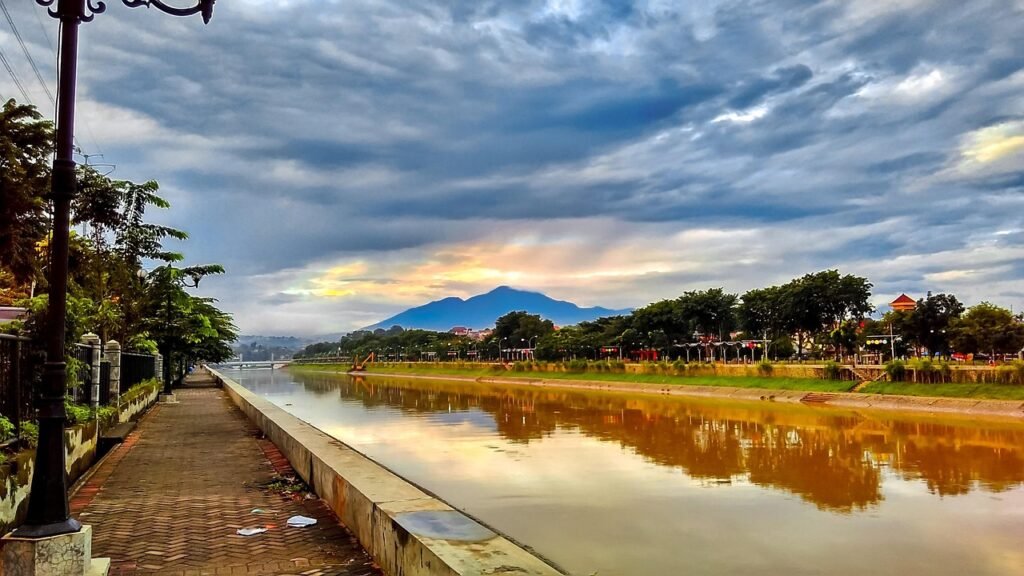
Flooding is one of the most common natural disasters affecting communities worldwide. While heavy rainfall is often seen as the main cause, flooding is actually the result of a combination of natural conditions and human activities. Some areas are naturally more prone to flooding than others due to their physical geography and patterns of land use. This article explores the key geographical factors that explain why certain regions experience floods more frequently.
- Low-Lying Topography
One of the primary natural causes of frequent flooding is low elevation. Water always flows from higher ground to lower ground due to gravity. Areas such as river valleys, coastal plains, and floodplains naturally collect runoff from surrounding higher regions.
When rainfall is intense or prolonged, these low-lying areas can quickly become overwhelmed, causing rivers to overflow and water to accumulate on the surface. This makes topography a fundamental factor in flood vulnerability.
- Inadequate Drainage Systems
Urban flooding is often closely linked to poor drainage infrastructure. Drainage systems that are too small, poorly maintained, or clogged with waste are unable to transport rainwater efficiently.
As a result, water stagnates on roads, around buildings, and in residential areas. Even moderate rainfall can trigger flooding if the drainage system fails to function properly. This problem is especially common in rapidly growing cities with aging infrastructure.
- Excessive Urbanization and Impermeable Surfaces
Modern cities are dominated by concrete, asphalt, and other impermeable surfaces. These surfaces prevent rainwater from being absorbed into the soil. Instead of soaking into the ground, water flows rapidly across streets and pavements as surface runoff.
The more a landscape is covered by buildings and roads, the faster and larger the volume of runoff becomes. This significantly increases the likelihood of flash floods, particularly during short but intense rainfall events.
- Deforestation and Loss of Vegetation
Vegetation plays a critical role in regulating the movement of water. Trees and plants absorb rainwater, slow surface runoff, and stabilize the soil through their root systems.
When forests are cleared for agriculture, settlements, or development, the land loses its natural ability to manage water. Without trees, rainwater flows rapidly into rivers and drainage systems, raising water levels quickly and increasing flood risk downstream.
- Climate Change and Extreme Weather
Climate change is now a major driver of flooding worldwide. Rising global temperatures increase the intensity of the water cycle, leading to more extreme and unpredictable rainfall patterns.
Many regions now experience heavier rain in shorter periods, overwhelming both natural landscapes and urban drainage systems. Sea level rise also worsens coastal flooding, especially during storms and high tides.
Conclusion
Flooding is not caused by a single factor. Instead, it is the result of an interaction between natural conditions such as topography and climate, and human activities such as urban development and deforestation. While floods cannot be completely prevented, their impacts can be significantly reduced through proper urban planning, sustainable land management, improved drainage systems, and climate adaptation strategies.
Understanding the geographical causes of flooding is the first step toward building more resilient communities in the face of an increasingly uncertain climate future.