

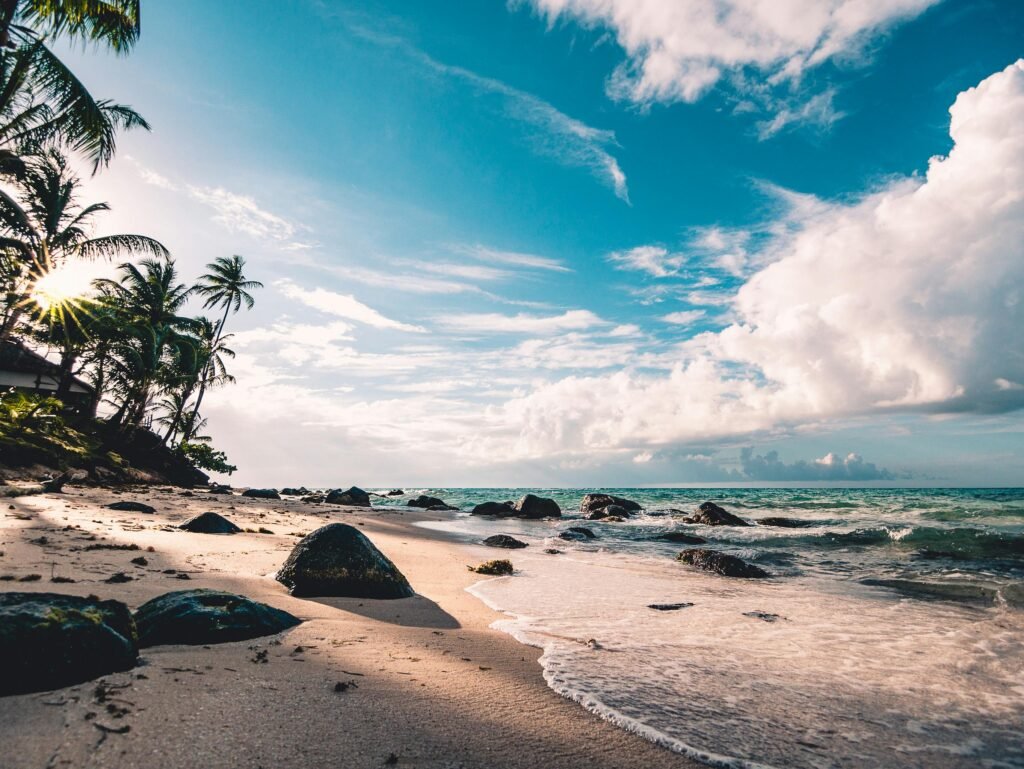
Coastlines mark the dynamic boundary between land and sea. Far from being fixed, they are constantly reshaped by natural processes that operate over years, decades, and even centuries. Understanding how coastlines change is essential for managing coastal ecosystems, infrastructure, and human settlements.
Coastal Abrasion: The Power of Waves
Coastal abrasion occurs when waves, tides, and currents erode rocks and sediments along the shoreline. Strong wave energy, especially during storms, can rapidly remove beach sand or undercut coastal cliffs. Over time, this process causes the shoreline to retreat inland, altering the shape of the coast and increasing vulnerability to flooding.
Sedimentation: Building New Land
In contrast to erosion, sedimentation adds material to the coast. Rivers transport sand, silt, and clay from inland areas and deposit them at river mouths and along beaches. Ocean currents then redistribute these sediments, forming deltas, sandbars, and beaches. Sedimentation plays a crucial role in maintaining coastal balance, especially in low-energy environments.
Longshore Currents and Sediment Transport
Sediments do not remain stationary once they reach the coast. Longshore currents move sand parallel to the shoreline, redistributing material over large distances. This process can cause erosion in one area while promoting land formation in another, demonstrating that coastal change is often uneven and interconnected.
Sea Level Rise and Coastal Transformation
Rising sea levels, driven by climate change and thermal expansion of oceans, are accelerating coastal change worldwide. Higher sea levels allow waves to reach further inland, intensifying erosion and inundating low-lying areas. Mangroves, wetlands, and coastal communities are particularly vulnerable to these changes.
A Constantly Evolving System
Coastlines are shaped by the continuous interaction between erosion and deposition. While human activities such as coastal development and river damming can influence these processes, natural dynamics remain the dominant force. Coastlines, therefore, should be viewed as living systems rather than static boundaries.
Why Coastal Change Matters
Understanding coastal dynamics is vital for sustainable coastal planning, disaster risk reduction, and environmental conservation. As coastlines continue to evolve, adapting to these changes becomes increasingly important for protecting both natural ecosystems and human livelihoods.