

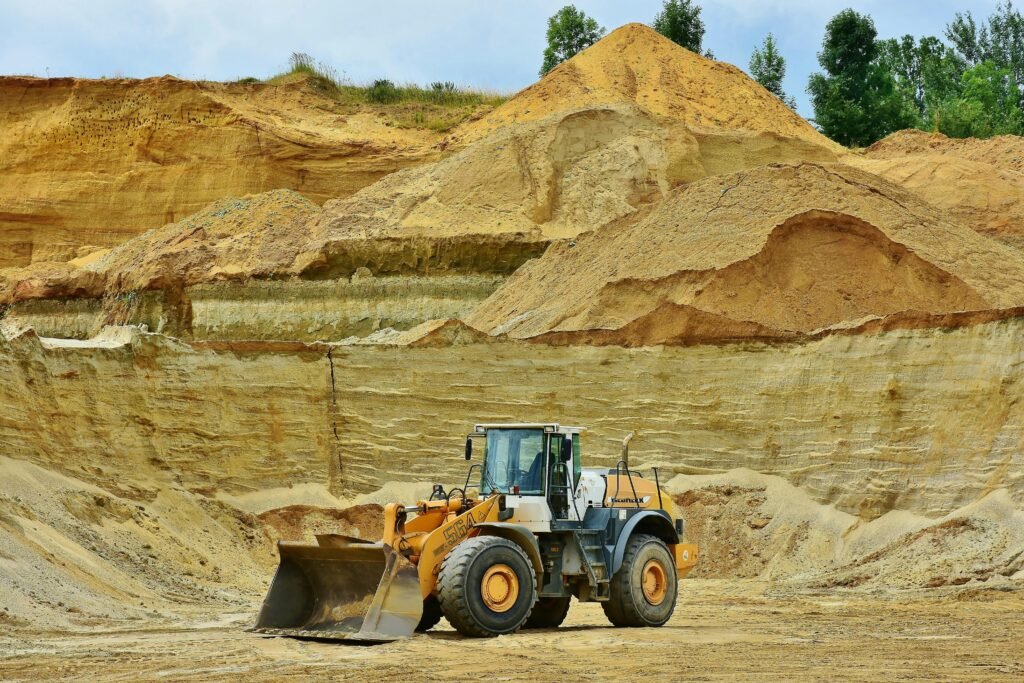
Mining operations are often perceived as equipment-driven activities—excavators, haul trucks, and processing plants working at full capacity. In reality, successful mining is less about machines and more about coordination between people.
Behind every productive mining site is a complex interaction between field teams, engineers, and management. When this coordination fails, even the most advanced equipment cannot prevent operational setbacks.
Mining as a Coordinated System
Mining is not a single-task operation. It is a system where planning, execution, and decision-making are deeply interconnected. Field crews execute daily activities, engineers translate data into mine plans, and management sets strategic direction. Each function depends on the others to operate effectively.
When coordination breaks down, delays, safety risks, and inefficiencies quickly follow.
The Role of Field Teams
Field teams operate in real and constantly changing conditions. Terrain, weather, equipment availability, and safety constraints shape daily decisions. These teams provide critical feedback about what is feasible on the ground.
Without clear communication channels, valuable field insights may never reach planners or decision-makers, increasing the gap between design and reality.
Engineers: Bridging Data and Execution
Engineers transform geological data, production targets, and safety requirements into mine designs and schedules. However, engineering plans are only effective when they are aligned with actual field conditions.
Continuous coordination with field teams ensures that designs remain practical, adaptable, and safe throughout the mining process.
Management and Strategic Alignment
Management defines priorities—production targets, cost control, safety standards, and regulatory compliance. These decisions directly influence operational pressure on site.
When management decisions are made without operational feedback, they can unintentionally create conflicts between productivity and safety. Strong coordination allows leadership to balance performance with sustainability.
Why Coordination Matters More Than Equipment
Mining failures are rarely caused by machinery alone. Most operational issues stem from misaligned objectives, fragmented communication, or delayed decision-making.
Effective coordination ensures:
Safer operations
Realistic production planning
Faster response to on-site challenges
Long-term operational stability
Conclusion
Mining operations succeed not because of technology alone, but because people work in sync. Field teams, engineers, and management must operate as one coordinated system.
In mining, the true operational risk is not the absence of equipment—it is the absence of coordination.