

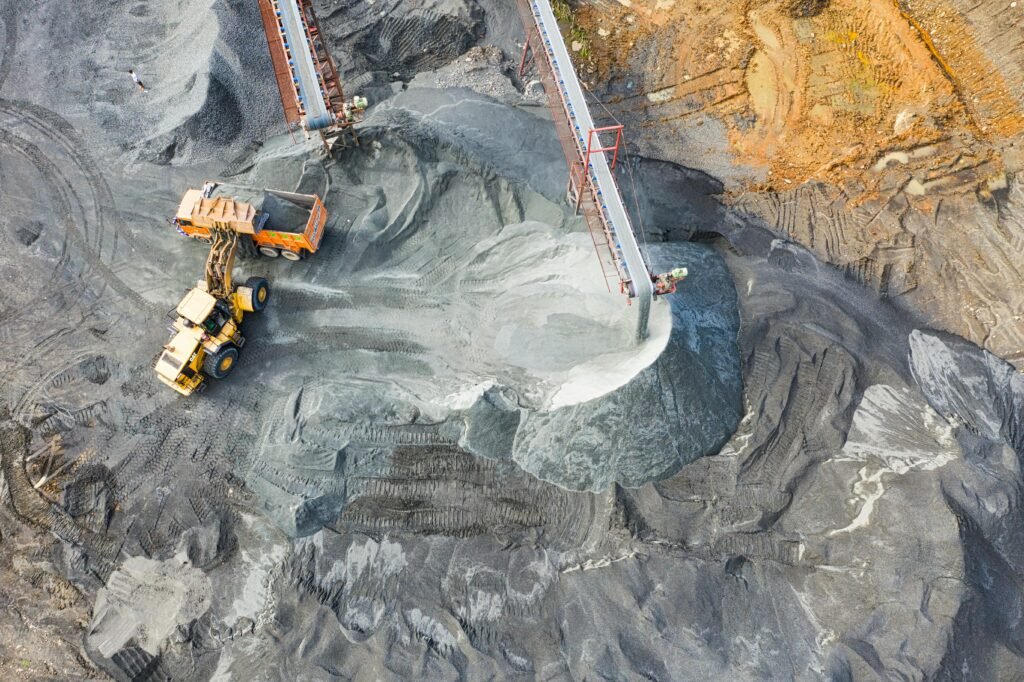
The mining industry, often considered a pillar of industrial progress, does more than just contribute to the national economy. It has a profound and positive impact on the local communities where mining activities take place. From creating job opportunities to fostering community development and enhancing local infrastructure, mining plays an essential role in shaping a better future for many. This article explores the numerous positive effects of mining on local communities and how it improves living conditions and opportunities for growth.
- Job Creation and Economic Empowerment
One of the most significant contributions of the mining industry is the creation of job opportunities. Mining operations require a diverse workforce, ranging from skilled laborers to engineers and administrative staff. Local communities benefit greatly from these opportunities, as they provide stable employment and the chance to build new career paths. Jobs in the mining sector not only offer competitive salaries but also provide training and skill development, allowing local workers to enhance their employability and job security in the long term.
Mining companies actively seek to hire from local populations, ensuring that the communities surrounding the mining sites experience the benefits of employment. In addition to the direct jobs at the mine, there are numerous other employment opportunities in related sectors, such as transportation, catering, and security services. This ripple effect helps reduce unemployment rates and raises the standard of living in these areas.
- Infrastructure Development and Community Improvement
Mining activities often lead to substantial improvements in local infrastructure. To support the operations of the mine, companies typically invest in the construction of roads, bridges, and communication networks, which not only aid the transportation of goods and services but also benefit the broader community. These infrastructure projects often extend beyond the mine itself and positively impact the accessibility and connectivity of surrounding towns and villages.
Additionally, mining companies frequently build or improve essential public services, such as schools, hospitals, and sanitation systems. These contributions help enhance the quality of life for the local population, providing them with better access to education, healthcare, and essential facilities.
- Economic Growth and Small Business Support
Mining activities often stimulate local economies, providing a foundation for small businesses to thrive. The influx of workers and capital into mining areas leads to increased demand for goods and services, offering opportunities for local entrepreneurs to set up businesses. This includes restaurants, grocery stores, equipment supply, and services such as cleaning and waste management.
Furthermore, mining companies frequently support local businesses through their procurement of goods and services. This creates a mutually beneficial relationship that promotes economic sustainability in the community. As a result, mining can lead to a more diversified local economy, where small businesses grow alongside the mining sector.
- Educational and Training Opportunities
The mining industry is also a key player in the development of educational programs and skill-building initiatives. Mining companies often fund vocational training and educational scholarships to help local workers gain the necessary skills to excel in the industry. These training programs range from technical education in machinery and safety to environmental management and leadership training for management roles.
By investing in the education and professional development of local workers, mining companies help build a more skilled workforce, capable of adapting to evolving industry demands. This creates long-term opportunities for career growth and empowerment, not just within the mining sector but also in related industries.
- Corporate Social Responsibility (CSR) and Community Engagement
Corporate Social Responsibility (CSR) is a core component of modern mining practices. Many mining companies run programs aimed at improving the welfare of local communities. These CSR efforts can include everything from healthcare initiatives, such as building medical clinics and offering free health check-ups, to environmental conservation programs and social infrastructure projects like building schools and community centers.
By addressing the needs of the community, CSR programs help create a positive relationship between mining companies and local populations, fostering mutual respect and cooperation. These initiatives enhance the social fabric of mining communities, helping to build stronger, more resilient local networks.
Conclusion: Mining as a Catalyst for Positive Change
While mining has traditionally been associated with environmental concerns and resource extraction, it also has undeniable benefits for local communities. The positive impact of mining extends far beyond the mine itself, offering opportunities for job creation, economic growth, improved infrastructure, and skill development. By investing in local communities and maintaining strong relationships with stakeholders, the mining industry plays a crucial role in building a brighter, more sustainable future for many.